

Learning to plan your mechanics’ work well changes everything in a heavy-duty shop. Here’s what you need to know before diving in.
Key Takeaways
- Inefficient planning is one of the leading causes of downtime in heavy-duty vehicle maintenance.
- The maintenance planner must rely on centralized, real-time data to effectively prioritize interventions.
- Preventive and corrective maintenance must be planned according to operational impact and parts availability.
- Fleet maintenance management software like MIR-RT transforms reactive planning into structured, proactive control.
Equipment downtime is costly and deprives your company of a material resource. But as you know, you’re required to bring your equipment to the garage for preventive maintenance. The real challenge is planning this preventive maintenance without disrupting operations.
The importance of having a good fleet maintenance management software is to quickly centralize the information about what needs to be done, both preventive and corrective, so you can rapidly relay that information to your mechanics and avoid wasted time.
Why Planning Is Essential in Heavy-Duty Vehicle Maintenance
Every truck, trailer, or piece of equipment sitting idle leads to lost productivity and increased pressure on teams. Effective planning makes it possible to balance preventive and corrective maintenance, reduce mechanic idle time, and ensure critical assets are treated as a priority.
In this context, the role of the maintenance planner becomes strategic in fleet maintenance management.
The Strategic Role of the Maintenance Planner
At times, mechanics end up waiting for their manager to tell them what to do on a piece of equipment. This is where having a good maintenance management system makes all the difference.
The maintenance planner is responsible for centralizing maintenance needs, prioritizing tasks by urgency and operational impact, assigning work based on availability and mechanic skills, and ensuring preventive maintenance deadlines are met.
Your maintenance manager can quickly centralize information to plan it for the mechanic, and even plan it ahead of time so the mechanic doesn’t have to wait. A good preventive maintenance software should also suggest tasks to your mechanics or managers based on availability and event criticality.
Without structured tools, planning becomes reactive rather than strategic.
Centralize Data to Plan Your Mechanics’ Work Better
It’s impossible to plan effectively without visibility. Heavy duty fleet maintenance software allows the planner to see all preventive and corrective tasks in one place through the real-time manager, know the actual availability of units, verify parts availability in inventory before assigning work, and anticipate future interventions based on mileage or engine hours.
Centralization eliminates guesswork and improves decision quality. This approach directly supports downtime reduction strategies.
Plan Preventive Maintenance Without Blocking Operations
Preventive maintenance should protect productivity, not slow it down. With MIR-RT‘s planning module, the planner can schedule interventions based on mileage, engine hour, or calendar thresholds, prioritize assets by criticality, automatically trigger upcoming tasks, and adjust the schedule according to real-world constraints.
This ensures compliance and consistency without creating bottlenecks in the shop.
Assign the Right Work to the Right Mechanic
Effective work order management planning accounts for skill sets. The planner evaluates the mechanic’s expertise, task complexity, estimated duration, and equipment criticality.
Smart assignment reduces rework, improves quality, and increases overall shop performance. For more details, read our article on how to better plan the workload in your maintenance shop.
The Importance of Physical Shop Layout
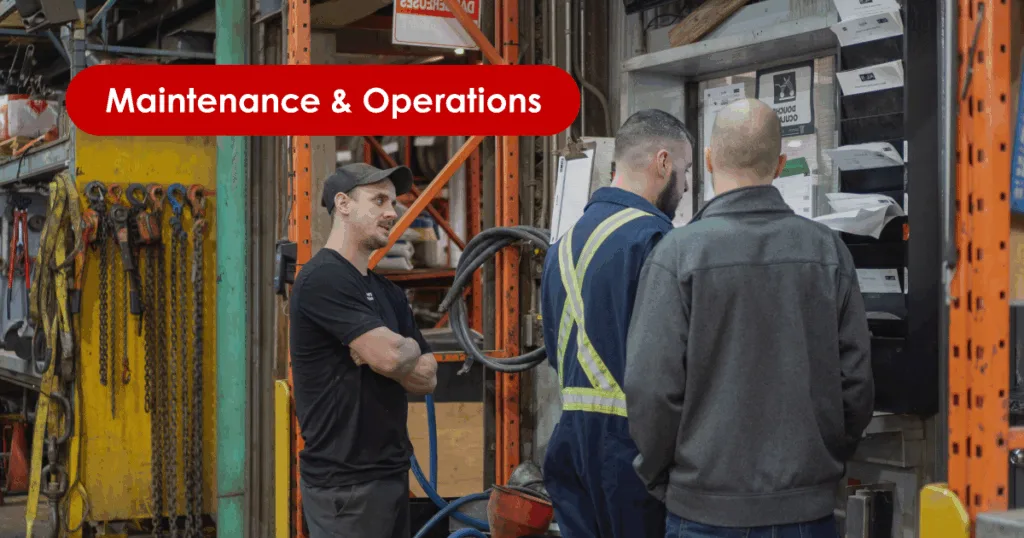
Planning isn’t only digital. A well-organized shop optimizes vehicle flow, parts access, workstation layout, and dedicated zones for preventive maintenance.
Reducing unnecessary movement improves workflow and supports the execution of planned tasks. To learn more, read our article on 5 tips for efficient shop organization.
From Reactive to Proactive Planning
Structured planning relies on clear priorities, constant progress tracking via the dashboard, complete traceability through each unit’s history, and a single source of information.
When supported by software like MIR-RT, planning becomes proactive. Mechanics start their day knowing exactly what to do, with parts available and priorities set. Maintenance KPIs become a management tool rather than just a report.
Conclusion
Improving planning is one of the most powerful levers to reduce fleet downtime in heavy-duty vehicle maintenance. When the maintenance planner’s role is supported by centralized data and structured maintenance management software, operations become more predictable, efficient, and sustainable.
Ready to Optimize Your Shop Planning?
Discover how MIR-RT can structure your maintenance planning, improve team coordination, and reduce your fleet’s downtime.